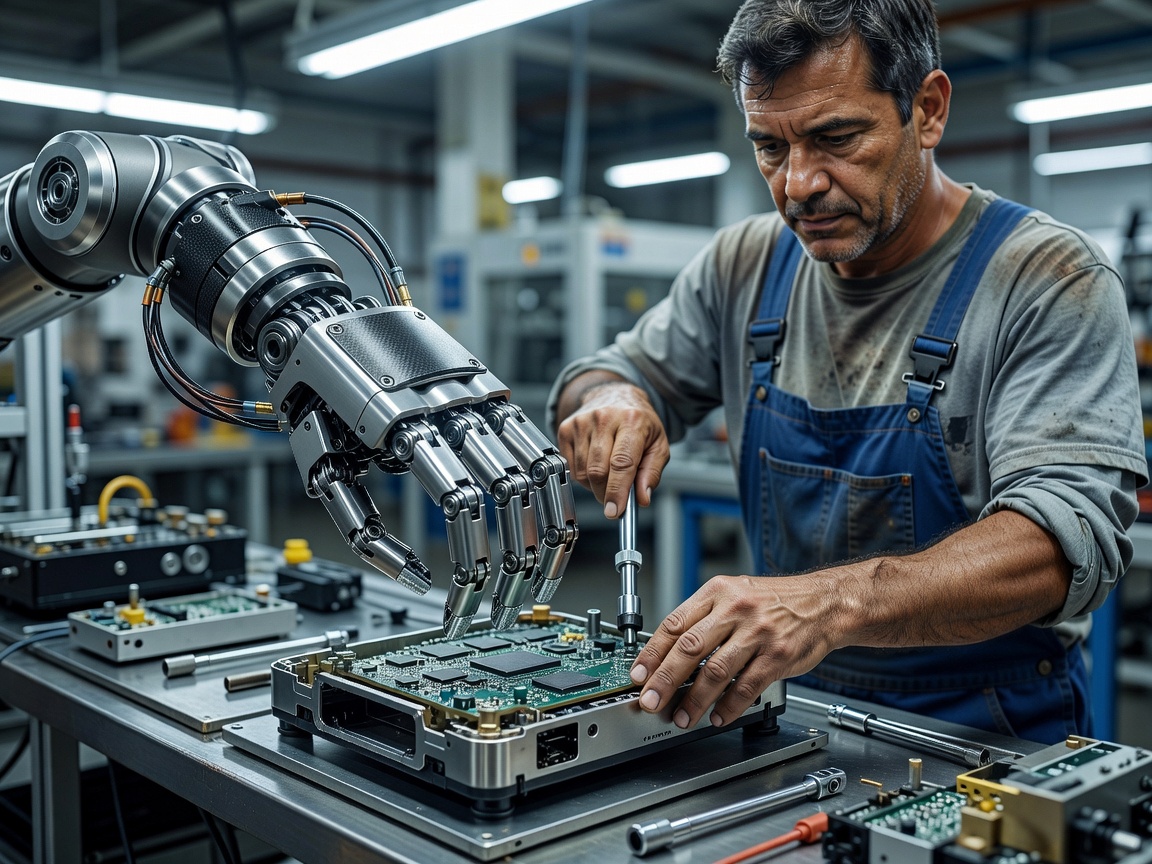
While digital AI models disrupted software engineering and content generation between 2023 and 2025, the inflection point of 2026 belongs to Embodied Physical AI. As bipedal humanoid robots enter industrial production lines, the bottleneck is no longer pure software algorithms—it is the physical edge maintenance and fleet orchestration required to keep physical machines operating 24/7.
1. The Rise of Vision-Language-Action (VLA) Models
Unlike traditional industrial robots that required hard-coded trajectory vectors, modern humanoid robots utilize unified Vision-Language-Action (VLA) neural weights. This allows robots to understand verbal instructions and execute complex physical manipulation routines autonomously.
2. Why Humanoid Fleet Managers Are in Peak Demand
Factory floors deploying 500+ humanoid units require specialist supervisors capable of evaluating sensor drift, adjusting tactile feedback thresholds, and executing rapid sim-to-real policy transfers when assembly line tasks change.